

WHAT DO I NEED TO KNOW ABOUT PLUG-IN SOLAR?
Plug-in solar panels are more compact, affordable and widely available to the general public than rooftop panels. Here’s what to know if you’re considering adding plug-in solar panels to your home.
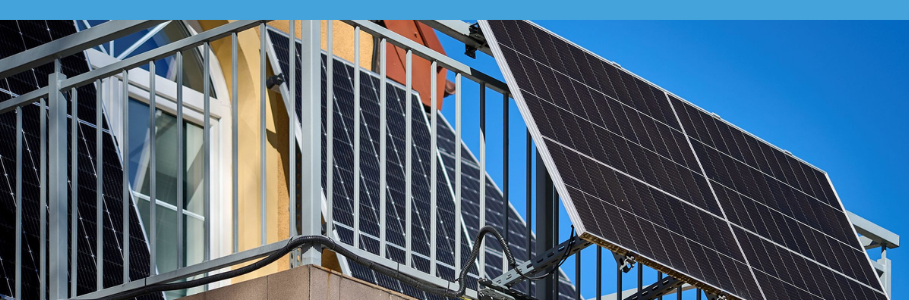
Plug-in solar—also called “balcony solar” or “plug-and-play solar”—is a small, modular solar kit (typically 200 to 800 watts). Rather than requiring professional installation, like rooftop solar, these panels plug into standard household outlets.
These kits typically consist of solar panels with a microinverter and are intended to offset a small portion of your home’s electricity use as an alternative or supplement to a rooftop array.
Yes, so long as you follow the standard interconnection process. Plug-in solar systems could backfeed electricity into the grid, so it’s vital to have OPPD interconnect your system. This not only ensures your system operates safely, it also protects lineworkers and prevents equipment damage.
No. For safety, microinverters are designed to automatically shut off when the grid loses power, preventing any backfeed that could endanger utility crews. For this reason, OPPD requires inverters to be UL 1741-certified.
OPPD requires inverters to be UL 1741-certified. This ensures proper anti‑islanding protection, safe grid interaction and compliance with national electrical safety requirements. For this reason, OPPD asks that customers follow the standard interconnection process to ensure the safety of your electrical system.
In general, yes. OPPD recommends having a licensed electrician evaluate your electrical system before installing any solar panels to make sure it can safely handle the additional load. This is especially important in older homes.
Safety standards around plug-in solar are still evolving. Underwriters Laboratories (UL) is currently developing a new standard, UL 3700, specifically to address the unique safety considerations of plug-in systems.
Approval typically takes about 4 weeks. Once your system has passed electrical inspection, the witness test and net-meter installation are usually scheduled within 1–2 weeks after OPPD has been notified.
Yes, so long as they have landlord approval and complete the standard interconnection process. Refer to your rental agreement or check with your landlord before purchasing equipment or beginning interconnection.
As the property owner, you decide whether to allow installation of a solar system on your property.